
As America celebrates its 250th anniversary in 2026, the influence of Freemasonry on the nation’s history is worth remembering. Some of the men who signed the Declaration of Independence, led the Continental Army, and drafted the Constitution were Masons. The fraternity’s values of brotherhood, equality, and truth shaped not only their conduct in the lodge, but their vision for a new nation.
To honor this anniversary, we’re shining a light on 5 Influential U.S. Presidents who were also Masons:
George Washington

Washington was welcomed into the fraternity in 1752 at Fredericksburg Lodge No. 4 in Virginia, and remained a Mason throughout his life. He took his presidential oath on a Masonic Bible and later served as Master of Alexandria Lodge No. 22. For Washington, the values of the lodge (duty, integrity, and brotherhood) were the same values he carried into his duties as a public servant. It’s a connection that defined both the man and the nation he helped build. We dive deeper into Washington’s legacy in this blog post.
Andrew Jackson
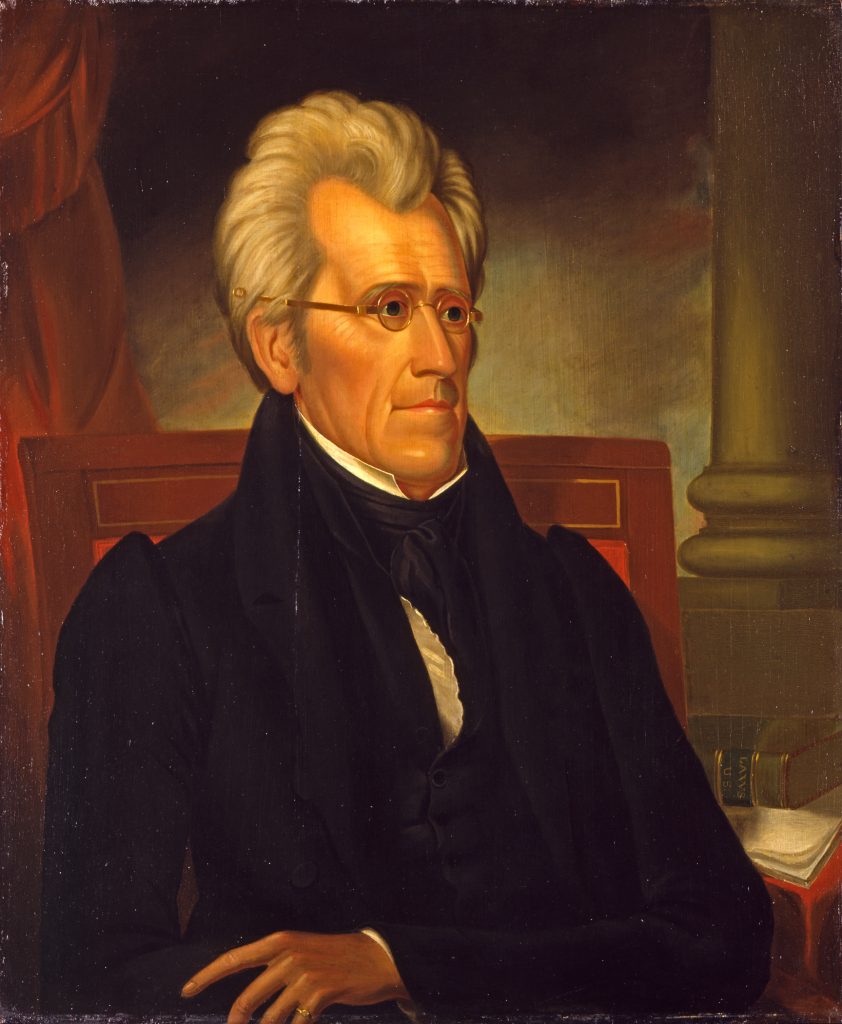
Andrew Jackson served as Grand Master of the Grand Lodge of Tennessee from 1822 to 1824.
Jackson was initiated in Tennessee and rose to serve as Grand Master of the state’s Grand Lodge from 1822 to 1824. He was a committed Mason throughout his public life, and the fraternity’s emphasis on equality of character over rank aligned with his own political beliefs. In a time when American democracy was still taking shape, that principle mattered.
James K. Polk
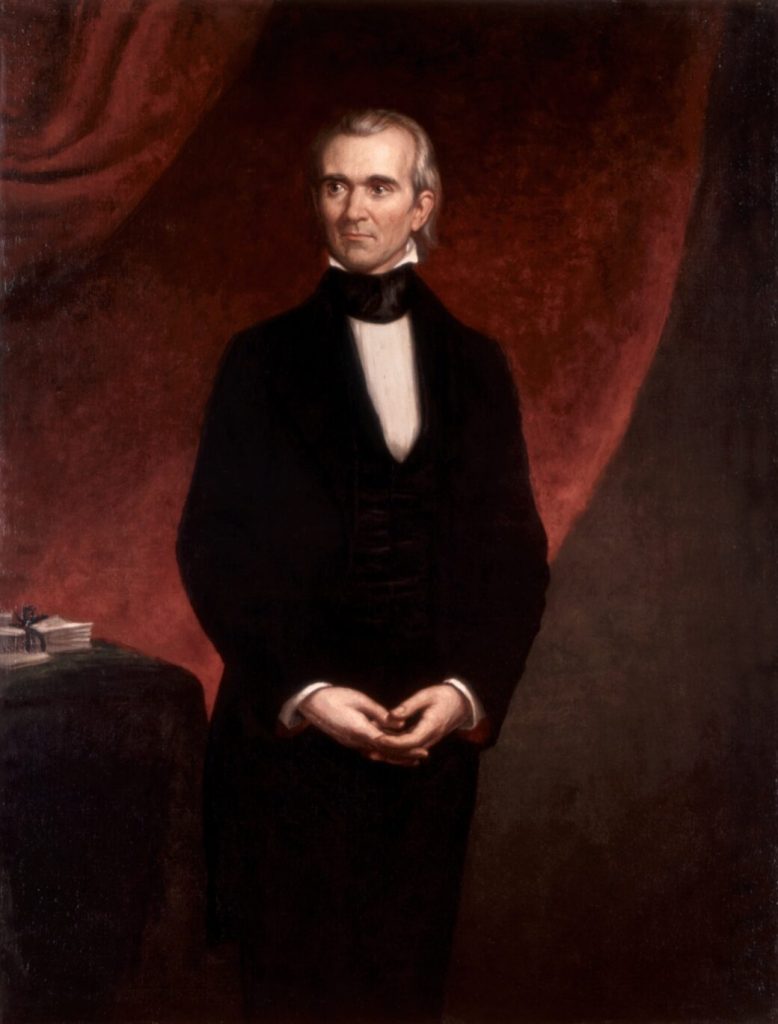
Polk was initiated in 1820 at Columbia Lodge No. 31 in Tennessee. He brought the same qualities Masonry celebrates to the presidency: discipline, focus, and commitment. He entered office with four clear goals, accomplished all of them, and left after one term as he said he would. For a fraternity that prizes integrity above all, he was exactly the kind of brother and president worth remembering.
James Monroe

Theodore Roosevelt

Roosevelt was initiated in 1901 at Matinecock Lodge No. 806 in Oyster Bay, New York. He saw Masonry as consistent with his broader belief that character is built through discipline and service. As president, he pushed for conservation, antitrust reform, and a stronger federal government, values that lined up naturally with what he found in the lodge.
These five presidents carried the values of the fraternity with them into public service and their presidency. At 250 years as a nation, we’re proud to honor their legacy and the enduring spirit of American Freemasonry.
If you’re interested in learning about more Masons who were U.S. Presidents, check out our blog on Harry S. Truman. And for a local lens on the topic, read our blog on Ohio Masonry in the U.S. Presidency!